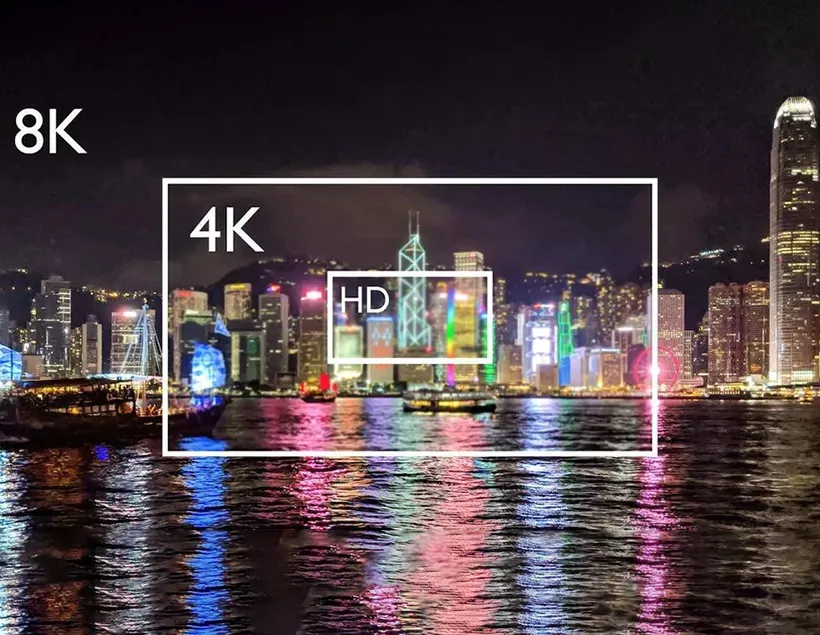

In today’s digital world, crystal-clear video and immersive audio are no longer luxuries—they are expectations. Whether you are building a home theater, upgrading a gaming setup, or deploying professional AV systems, choosing the right 4K HDMI 2.0 cable is essential for stable performance and true Ultra HD quality.
This guide explains what an HDMI 2.0 cable is, why it matters for 4K resolution, and how to select the best cable for long-term reliability.
What Is a 4K HDMI 2.0 Cable?
A cable is designed to transmit ultra-high-definition video and multi-channel audio at bandwidths up to 18 Gbps. This capability allows the cable to support:
- 4K resolution at 60Hz
- HDR (High Dynamic Range)
- 32-channel audio
- 4:4:4 chroma sampling
- 3D video formats
Compared with earlier HDMI standards, HDMI 2.0 dramatically improves frame rate and color depth, making it ideal for modern TVs, gaming consoles, projectors, and professional display systems.

Why Choose a 4K HDMI 2.0 Cable for Modern Devices?
1. Smooth 4K@60Hz Video Performance
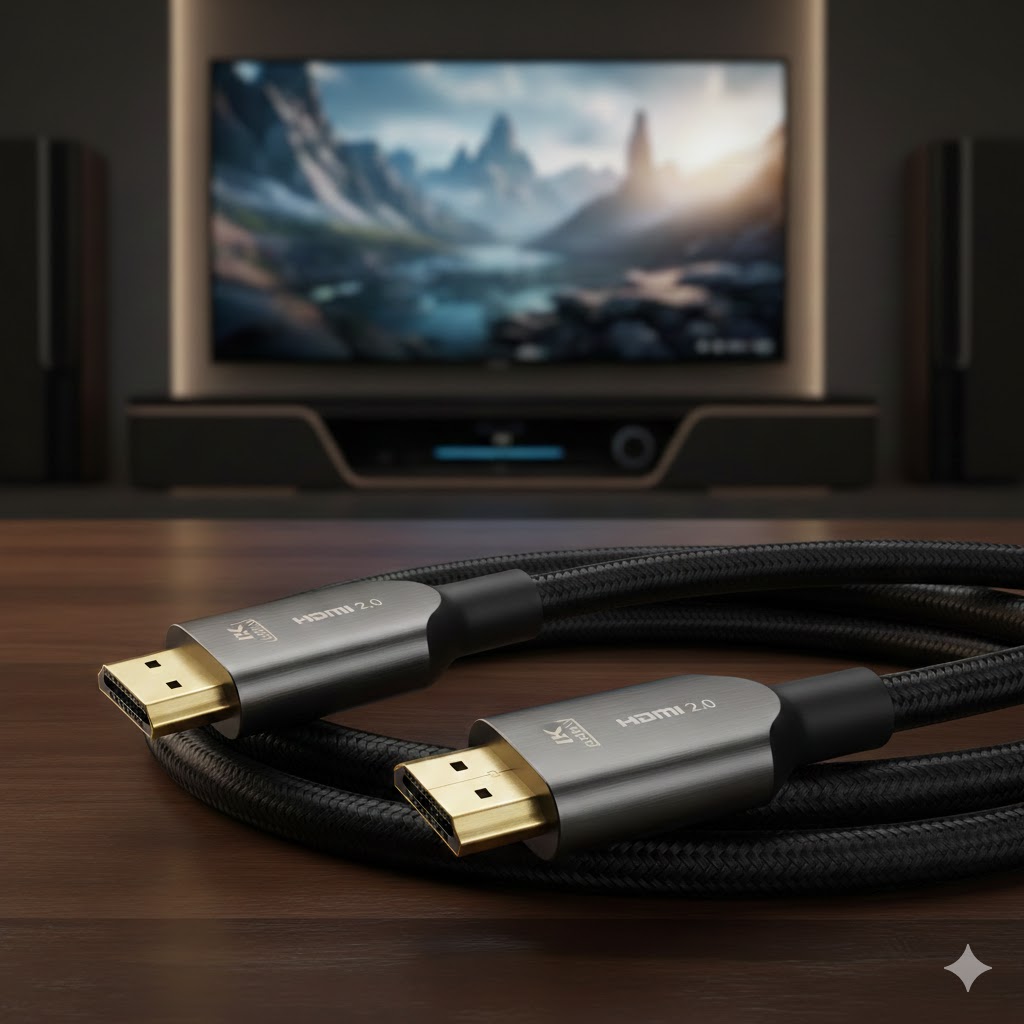
One of the biggest advantages of a cable is its ability to deliver 60 frames per second at 4K resolution.
This is critical for:
- Fast-paced gaming
- Live sports viewing
- High-motion video playback
Lower-spec cables may only support 4K at 30Hz, which can appear choppy or less responsive.
2. HDR for Richer Colors and Contrast
HDR technology expands brightness and color range, producing more lifelike images.
A certified 4K HDMI 2.0 cable ensures stable HDR transmission without flickering, signal drops, or color distortion.
3. Future-Ready Compatibility
Even as HDMI 2.1 becomes more common, HDMI 2.0 remains the most widely supported standard across TVs, monitors, and AV equipment.
Choosing a high-quality HDMI 2.0 cable guarantees:
- Broad device compatibility
- Reliable long-distance transmission
- Cost-effective performance for 4K systems
Key Features to Look for in a 4K HDMI 2.0 Cable
High Bandwidth and Low Signal Loss
Premium cables use oxygen-free copper or fiber-optic technology to maintain full 18 Gbps bandwidth.
For long-distance installations, active optical HDMI cables are often preferred because they:
- Prevent electromagnetic interference
- Support longer transmission distances
- Maintain consistent 4K signal quality
Strong Shielding and Durable Design
A well-built 4K HDMI 2.0 cable should include:
- Multi-layer shielding
- Gold-plated connectors
- Flexible yet durable outer jackets
These features protect signal integrity and extend product lifespan, especially in commercial or industrial environments.
Certification and Compliance
Look for cables tested for:
- HDMI 2.0 compliance
- CE / FCC certification
- RoHS environmental standards
Certified products provide greater confidence in real-world 4K performance.
Common Applications of 4K HDMI 2.0 Cable
A 4K HDMI 2.0 cable is widely used across both consumer and professional scenarios:
Home Entertainment Systems
Connect 4K TVs, Blu-ray players, soundbars, and streaming devices for immersive viewing and theater-quality audio.
Gaming Setups
Modern consoles such as PlayStation and Xbox rely on stable 4K@60Hz output, making a reliable HDMI 2.0 cable essential for competitive gameplay.
Professional AV and Digital Signage
In conference rooms, control centers, and retail displays, long-distance active optical HDMI 2.0 cables ensure uninterrupted Ultra HD transmission without signal degradation.
How to Choose the Right 4K HDMI 2.0 Cable Length
Cable length directly affects signal stability.
- 1–3 meters: Standard passive copper cable works well
- 5–10 meters: Choose high-quality shielded copper
- Over 10 meters: Active optical HDMI cable is recommended
Selecting the correct length avoids unnecessary signal loss and ensures consistent 4K clarity.
Conclusion: Invest in a Reliable 4K HDMI 2.0 Cable
A high-performance cable is the foundation of any Ultra HD display system.
From smooth 60Hz playback and HDR color depth to long-distance signal stability, the right cable guarantees the visual quality modern devices are built to deliver.
Whether for home entertainment, gaming, or professional AV integration, investing in a certified, well-engineered HDMI 2.0 cable ensures stable connectivity, superior image quality, and long-term reliability—making it a smart and future-proof choice for today’s 4K world.