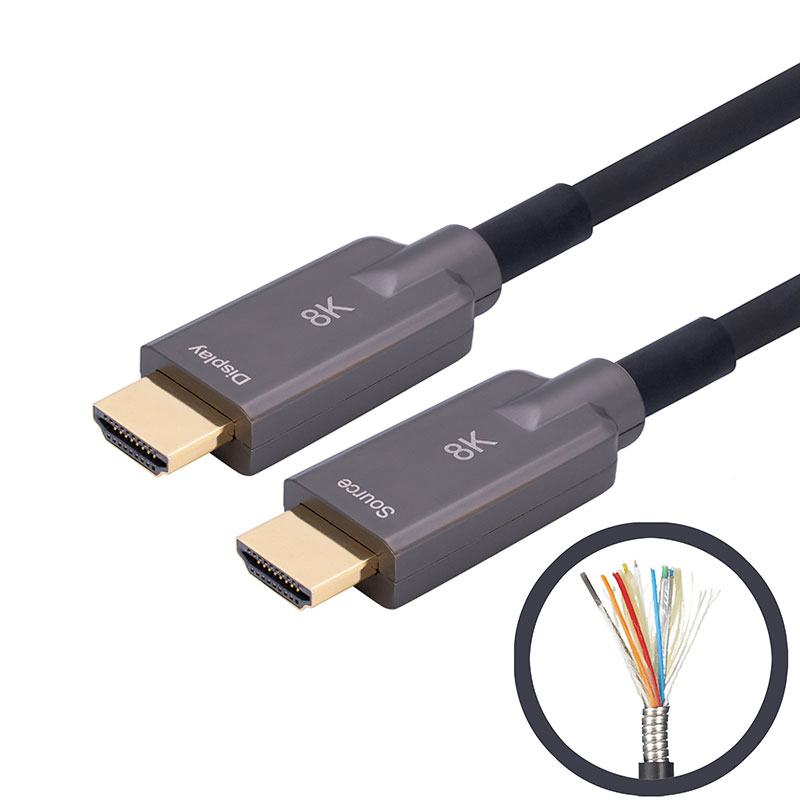
In today’s fast-paced electronics market, OEM (Original Equipment Manufacturer) and ODM (Original Design Manufacturer) partners are increasingly seeking reliable usb to hdmi cable solutions to support high-performance video transmission, device compatibility, and global certification standards.
With demand rising for cables that can withstand market pressures, meet technical specifications, and satisfy end customers, manufacturers must be aware of critical concerns that affect product success in bulk production and B2B supply chains.
Understanding USB to HDMI Cable Technology
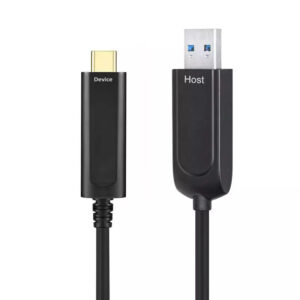
A usb to hdmi cable converts USB signals (often USB-C with DisplayPort Alt Mode or USB 3.x) into HDMI video output, enabling laptops, tablets, and mobile devices to drive external displays without extra adapters. This type of cable must handle both data and video streams reliably, maintaining signal integrity over varying lengths and with different device hosts.
Compatibility is one of the most common technical challenges. USB-C standards vary significantly across devices, and not all ports support video output. Many cables on the market are non-compliant with genuine USB specifications, which can lead to malfunction, power issues, or even hardware damage when devices negotiate power delivery incorrectly.
Ensuring your design strictly follows USB-C and HDMI standards is critical to avoid customer complaints and warranty claims.
Quality Control: Signal Integrity and Component Standards
For OEM and ODM partners, signal integrity is a top priority when manufacturing usb to hdmi cable assemblies. Poor shielding, low-grade conductors, or incorrect impedance can cause dropouts, flickering, or unstable video output, resulting in high return rates and damaged brand reputation. Reliable suppliers use high-quality materials such as gold-plated contacts, robust shielding layers, and properly twisted pairs for high-speed data lines to reduce electromagnetic interference (EMI) and maintain consistent signal quality.
Additionally, design validation through rigorous testing is indispensable. Quality control processes should include:
Insertion and withdrawal life cycle tests
Signal transmission performance under stress
Compatibility testing across different operating systems (Windows, macOS, Android)
OEMs should demand test reports and batch traceability from suppliers to ensure consistency and reduce field failures.
Certifications and Compliance
Getting certified is another major hurdle for OEM/ODM cable manufacturers. Standards compliance not only improves product credibility but also ensures legal market access in key regions. For HDMI-related products, HDMI Licensing Administrator certifications are often mandatory, and compliance with regional directives such as CE, RoHS, and FCC is essential.
Without proper certification, products can face delays at customs, be held up during regulatory inspections, or fail to get listed on major eCommerce platforms — all factors that add cost and time to product launches. Smaller manufacturers, in particular, may find certification costs daunting, but they are a necessary investment for long-term business success in global markets.
Market Dynamics: Counterfeits and Competitive Pricing
The USB and HDMI cable market is highly competitive, and OEM/ODM partners must navigate the risk of counterfeit or low-quality cables flooding the supply chain. Cheap imitation products often misrepresent performance specs or lack essential certifications, which leads to poor user experiences and brand damage.
Building a strong brand presence for quality products reduces susceptibility to such low-end competition. OEMs can differentiate by offering reliable guarantees, test documentation, and clear technical specs that reassure buyers about the authentic usb to hdmi cable performance.
Supply Chain, Lead Times and Raw Materials
Global production challenges such as raw material volatility and logistics bottlenecks also affect cable manufacturing. Fluctuating copper and material prices increase production costs, while longer lead times for components can delay batch fulfillment. Manufacturers need flexible sourcing strategies and transparent production timelines to meet corporate customers’ expectations.
OEM partners working closely with suppliers who provide proactive updates on material and shipping status gain a competitive advantage, especially in times of shifting global industrial capacity.
Customization: What OEM/ODM Partners Want
One of the key reasons companies choose OEM or ODM suppliers for usb to hdmi cable products is customization. Modern customers expect:
Customized lengths and connector types
Robust brand labeling and packaging design
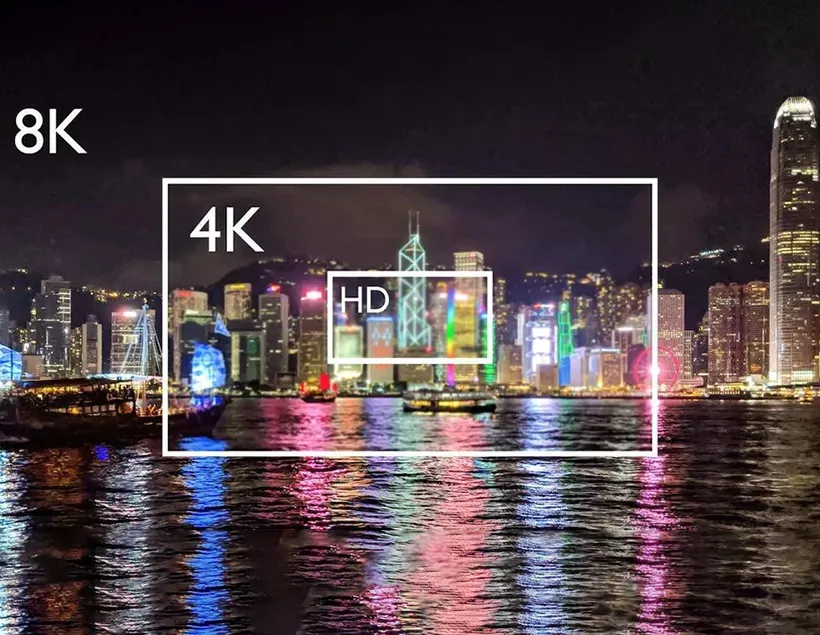
Tailored performance specifications, such as support for 4K@60Hz or higher refresh rates
Manufacturers that offer flexible customization help their customers stand out in their own markets, delivering tailored solutions beyond generic cables.
Conclusion: Meeting OEM/ODM Expectations for USB to HDMI Cables
In summary, producing successful usb to hdmi cable products for OEM and ODM partners requires a thorough understanding of technical standards, strict quality control, compliance with certifications, and adaptable production capabilities。
By addressing compatibility issues, ensuring high-quality materials, and planning for dynamic market conditions, manufacturers can create reliable solutions that satisfy both corporate customers and end users — establishing long-term business relationships and gaining trust in a crowded marketplace.