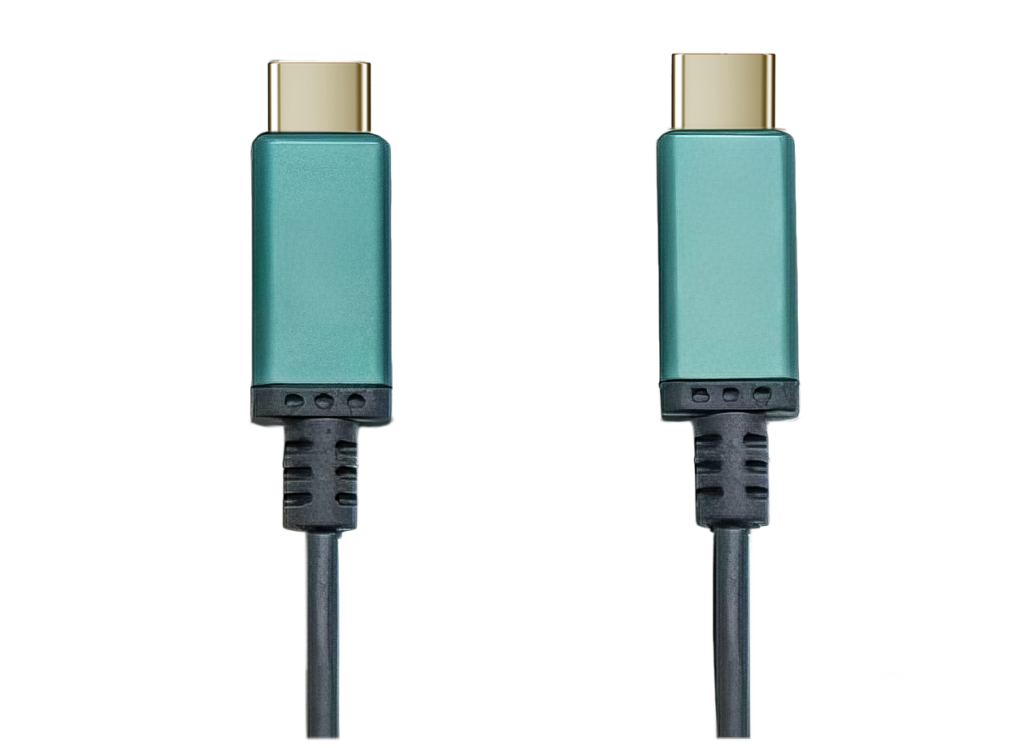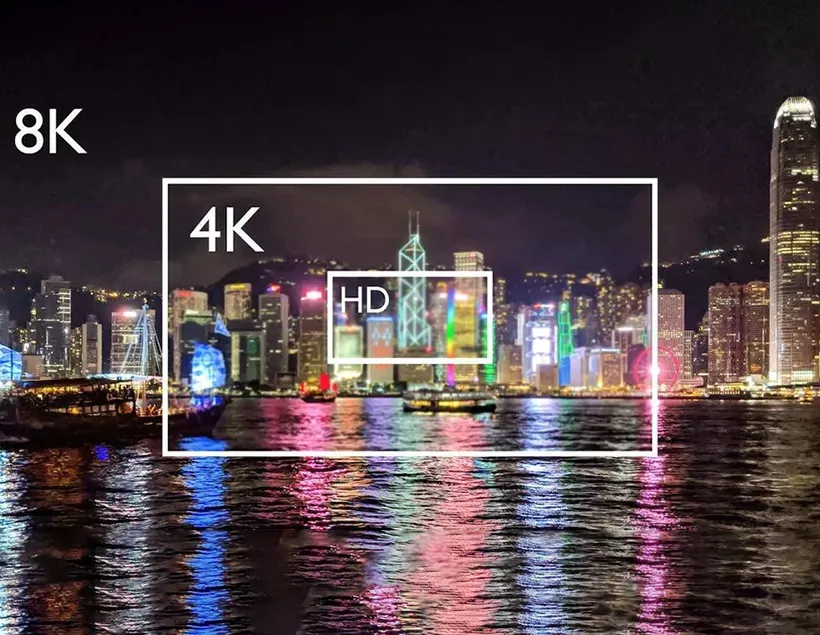
As data speeds continue to increase, traditional USB cables are reaching their physical limits. Signal loss, bulky cable size, short transmission distance, and unstable performance have become common pain points for engineers, system integrators, and OEM customers.
The USB 3.2 Gen 2 ultra-thin coaxial cable is designed to solve these challenges by combining 10Gbps high-speed performance, slim cable structure, and excellent signal integrity. It provides a reliable, flexible, and space-saving solution for modern high-speed data transmission.
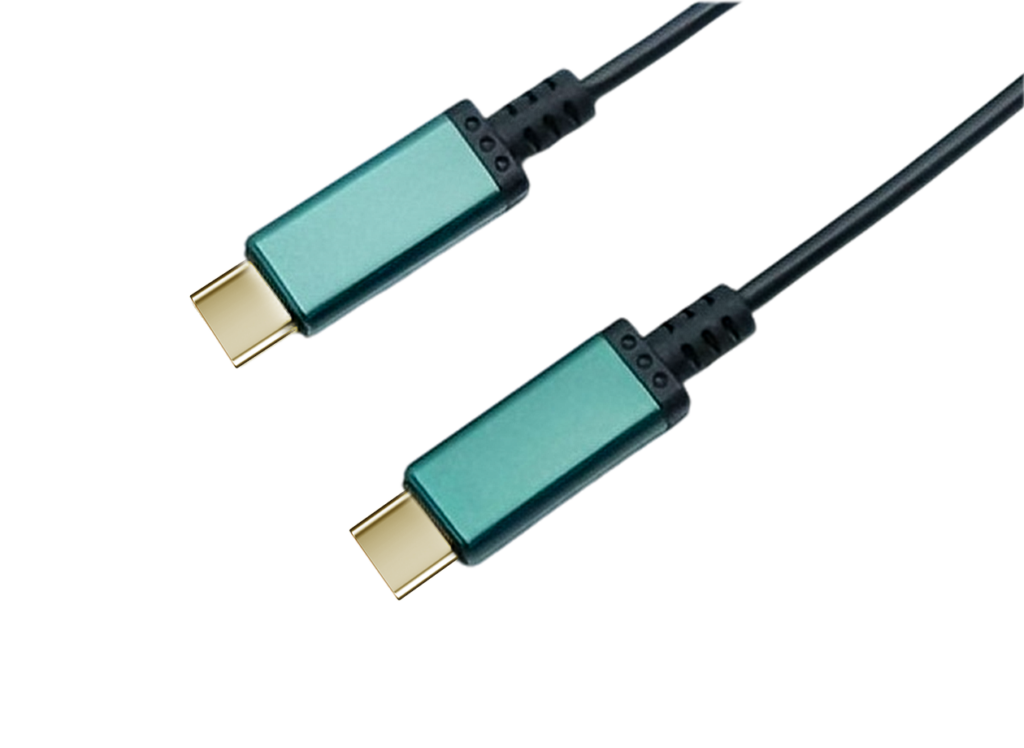
What Is USB 3.2 Gen 2?
USB 3.2 Gen 2 supports data transfer speeds of up to 10Gbps, which is twice as fast as USB 3.0 / USB 3.2 Gen 1. It is widely used in applications such as:
Industrial cameras
Machine vision systems
External SSD storage
Medical imaging devices
High-resolution video transmission
Embedded and compact systems
However, achieving stable 10Gbps performance over copper cables is not easy—especially when space, flexibility, and reliability are required.
The Problem with Traditional USB Cables
Many customers face the following issues when using standard USB cables:
Bulky and stiff cables
Traditional twisted-pair USB cables are thick and hard to bend, making them unsuitable for compact devices or moving equipment.
Signal degradation at high speed
At 10Gbps, signal attenuation and crosstalk increase significantly, leading to data errors, frame drops, or unstable connections.
Limited transmission distance
Standard USB copper cables struggle to maintain performance over longer distances.
Poor reliability in dynamic environments
Repeated bending, vibration, or movement can quickly degrade ordinary How Ultra-Thin Coaxial Cable Solves These Problems
How Ultra-Thin Coaxial Cable Solves These Problems
1. Superior Signal Integrity at 10Gbps
Coaxial cable structure provides excellent shielding and impedance control, which greatly reduces:
Electromagnetic interference (EMI)
Crosstalk between signal lines
Signal attenuation
This ensures stable USB 3.2 Gen 2 performance, even in electrically noisy industrial environments.
2. Ultra-Thin and Highly Flexible Design
Compared to traditional USB cables, ultra-thin coaxial cables offer:
Smaller outer diameter
Tighter bend radius
Better flexibility for moving systems
This makes them ideal for applications with limited internal space, such as compact devices, robotic arms, or rotating equipment.
3. Reliable Performance in Dynamic Applications
Thanks to the coaxial structure and high-quality materials, this cable performs reliably under:
Continuous bending
Vibration
Repeated plug-and-play cycles
It is well suited for machine vision, automation, and industrial inspection systems, where stability is critical.
4. Longer and More Stable Transmission
Ultra-thin coaxial design helps maintain signal quality over longer distances compared to conventional copper USB cables, reducing the need for repeaters or additional hardware.
Typical Applications
The USB 3.2 Gen 2 ultra-thin coaxial cable is widely used in:
Machine vision cameras and frame grabbers
Industrial automation equipment
Medical imaging systems
High-speed external storage devices
Embedded computing platforms
OEM and ODM custom solutions
Key Benefits for Customers
By using this cable, customers can:
Achieve stable 10Gbps data transmission
Save space with a slim and lightweight cable
Improve system reliability and reduce data errors
Simplify cable routing and system design
Reduce maintenance and replacement costs
Why Choose an Ultra-Thin Coaxial USB 3.2 Gen 2 Cable?
For engineers and OEM customers, the cable is no longer just a passive component—it directly affects system performance and reliability. Choosing a USB 3.2 Gen 2 ultra-thin coaxial cable means choosing:
High-speed performance you can trust
A compact design that fits modern devices
Long-term stability in demanding environments
It is a practical solution for today’s high-speed data challenges and a future-ready choice for next-generation applications。