How Modern USB Cable Technology Is Evolving
The USB industry has changed a lot in the last few years. Devices are getting faster, smarter, and more power-hungry. And the simple usb cable is no longer “just a cable.” It has become a critical part of how we connect, charge, and transfer data every day.
In this blog, we’ll look at the latest industry insights, what users expect today, and how USB technology continues to move forward. The goal is to give valuable, real-world information for anyone working with consumer electronics, manufacturing, or online retail.
Why USB Cable Standards Matter More Than Ever
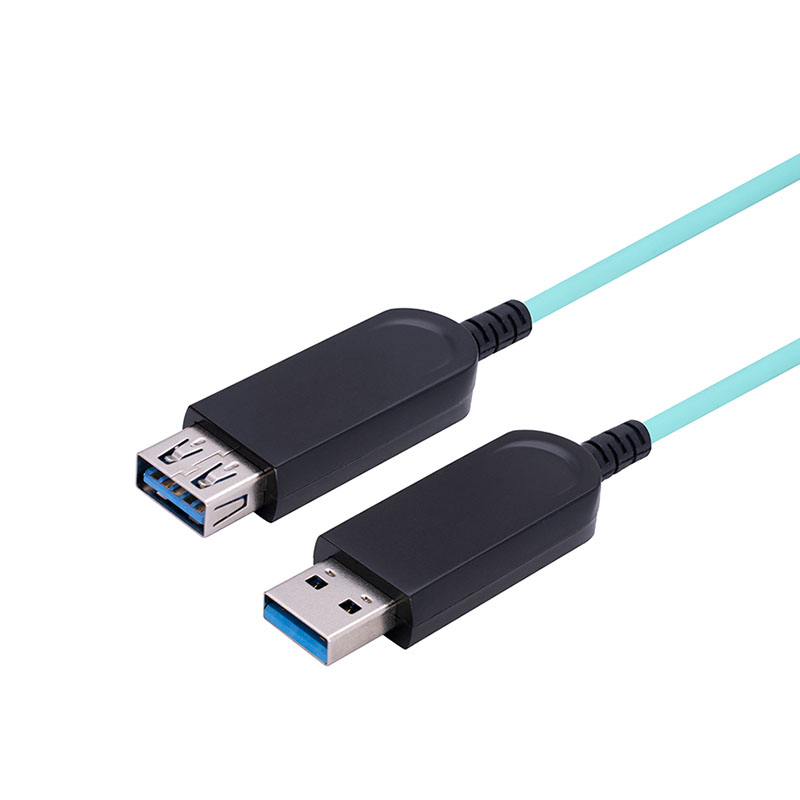
In the past, most people didn’t care which usb cable they used. As long as it fit, they plugged it in. But that idea no longer works today.
Modern devices need the right cable to perform properly.
Fast-charging smartphones need higher power. Laptops need stable data transfer for work and gaming. Cameras and external drives need high bandwidth to avoid lag or corrupted files.
This is why USB standards—USB 2.0, USB 3.0, USB 3.1, USB 3.2, USB4—have become an important part of product buying decisions. Consumers now search for cables based on speed, durability, and compatibility.
USB Cable Speed Trends: From 480Mbps to 80Gbps
Speed is one of the biggest factors driving the USB industry.
USB 2.0 used to be enough at 480Mbps.
But modern users expect much more.
Today’s top trend is the move toward USB4.
USB4 cables can deliver up to 40Gbps or even 80Gbps in new versions. That’s fast enough for high-resolution video, large data transfers, and stable gaming setups.
This shift to high-speed usb cable technology means manufacturers must upgrade materials, chips, and production methods. Users want one cable that can do everything—charge fast, transfer fast, and last long.
Power Delivery Growth: Why High-Wattage USB Cables Are in Demand
Another important trend is the rise of USB Power Delivery (PD).
More laptops, tablets, and phones now use USB-C charging instead of old barrel chargers.
This creates a massive need for PD-capable cables.
Common power levels include:
- 60W for phones and tablets
- 100W for most laptops
- 240W for gaming laptops and high-power devices
For many users, choosing the right usb cable affects how fast a device charges. A weak cable can slow charging by half or stop it completely. This makes high-wattage cables a popular and growing market segment.
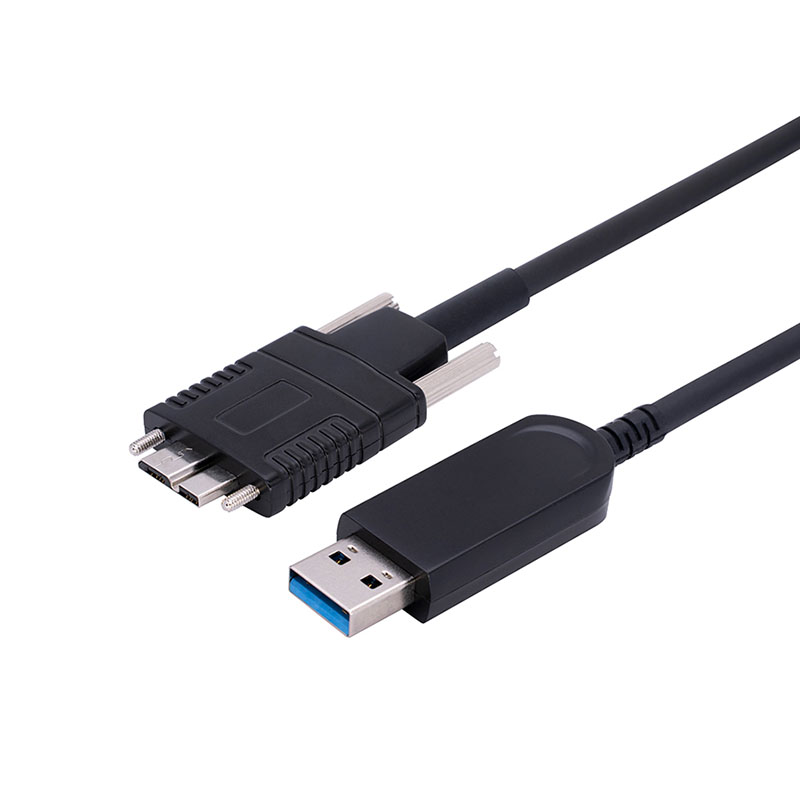
The Shift Toward USB-C: One Port for Everything
One of the biggest stories in the industry is the global move to USB-C.
The USB-C connector has now become the international standard.
Some reasons why USB-C is taking over:
- It’s reversible
- It supports fast charging
- It supports high-speed data
- It can transmit video signals
- It works across phones, laptops, tablets, and more
Europe already made USB-C mandatory for smartphones. Other regions are following the same trend.
This creates a stable demand for USB-C cables in both consumer and industrial markets.
Durability and Material Innovations in USB Cable Manufacturing
Consumers are using their devices more frequently. This means cables must survive heavy daily use.
The latest manufacturing trends include:
- Reinforced connectors
- Braided or armored outer jackets
- Stronger strain relief
- Anti-interference shielding
- Gold-plated contacts for reliability
A durable usb cable lasts longer and reduces waste. Many brands are also adding eco-friendly materials to improve sustainability.
These innovations are important for factories that want to stay competitive in the global market.
USB Cable Applications Across Different Industries
USB cables are everywhere today. They are used in:
- Smartphones and tablets
- Gaming accessories
- Laptops and docking stations
- Cameras and drones
- Home appliances
- Medical equipment
- Automotive electronics
- Industrial automation
As devices get smarter, the demand for specialized usb cable designs continues to grow.
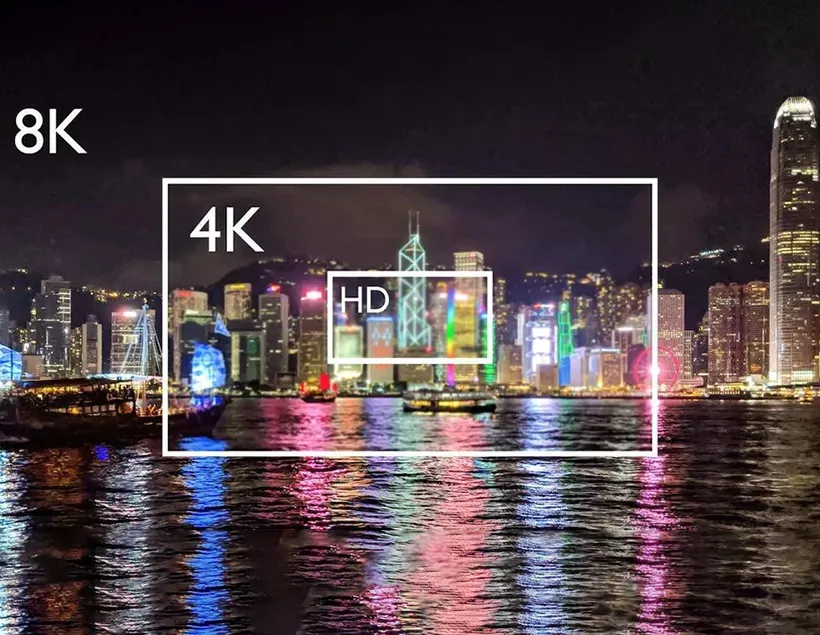
For example, industrial machines need cables with extra shielding. Cameras need high-speed cables to handle 4K or 8K video files.
This diversification opens new opportunities for manufacturers.
Challenges Facing the USB Cable Market in 2025
The USB industry is growing fast, but there are challenges too.
Some of them include:
- Counterfeit low-quality cables on the market
- Fast changes in standards
- Need for better certification
- Compatibility issues across brands
To stay ahead, manufacturers must focus on quality, testing, and stable supply chains.
Consumers are now smarter, and they choose cables based on reviews, certifications, and real performance.
What the Future Looks Like for USB Cable Technology
In the next few years, we can expect:
- Higher power delivery
- Faster data speeds
- More compatibility with AR/VR devices
- Safer charging technologies
- Greener materials
- Smarter cables with built-in chips
The usb cable will continue to evolve. It will remain a key part of modern electronics, even as wireless options grow.