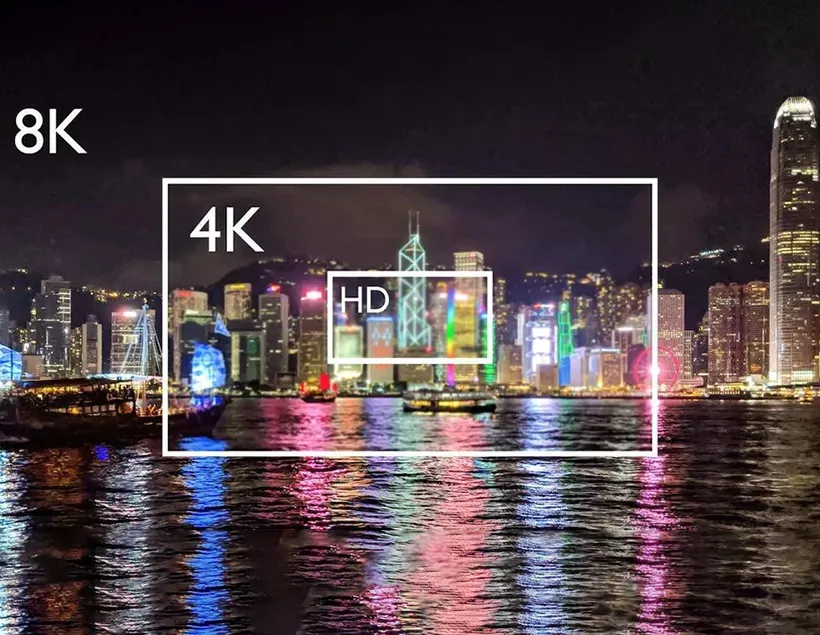
As digital systems continue to evolve, the demand for faster data transfer, higher image resolution, and longer transmission distances has never been greater. From industrial automation and medical imaging to machine vision and professional AV systems, standard USB solutions are often no longer enough. This is where custom USB cables—especially USB active optical cables—play a critical role.
By tailoring cable design to specific applications,cables help system integrators and OEMs achieve reliable performance, flexibility, and future-ready connectivity.
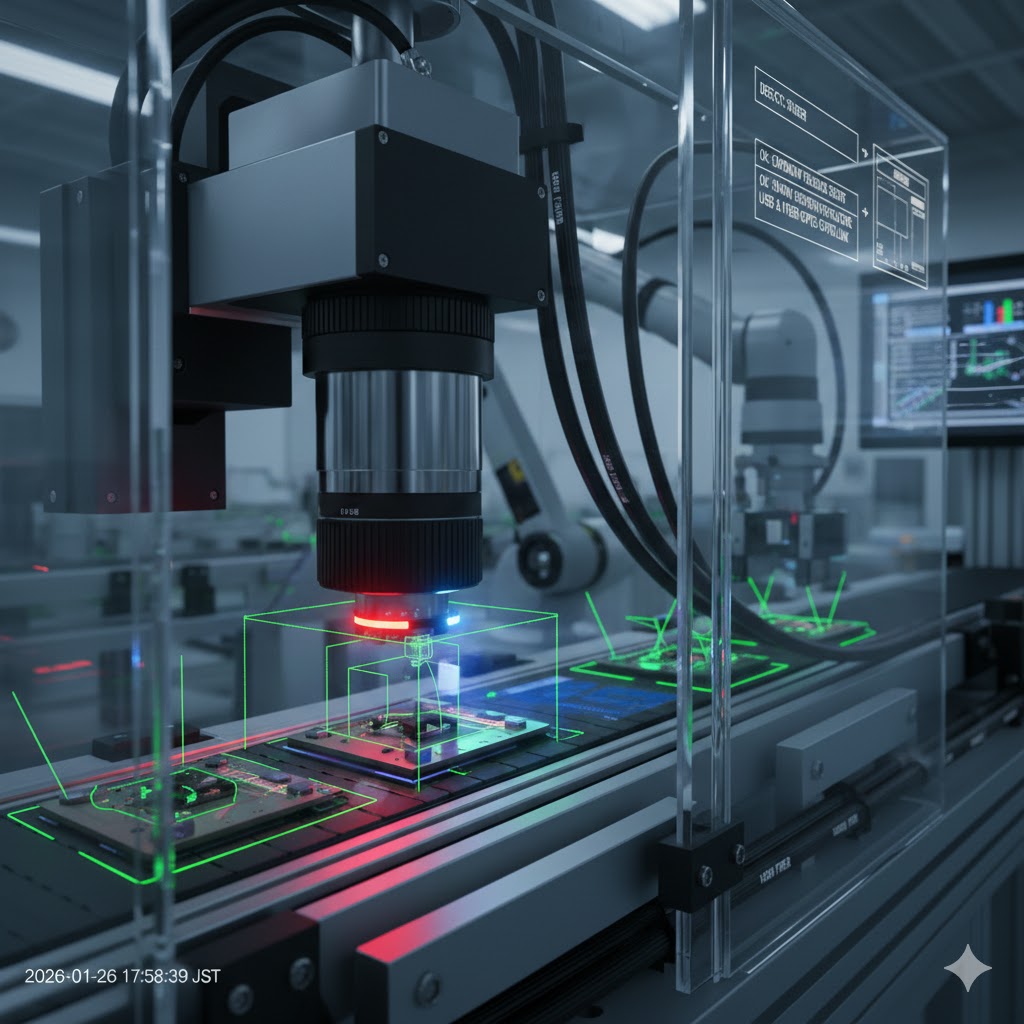
Why Custom USB Cables Matter in Today’s USB Ecosystem
USB has become one of the most widely adopted interface standards in the world. From USB 2.0 and USB 3.x to USB4, each generation delivers higher bandwidth and improved functionality. However, off-the-shelf cables are typically designed for short distances and consumer use.
The cables are engineered to meet application-specific requirements such as:
Extended transmission distance
Higher data bandwidth
Enhanced EMI resistance
Special connector types or locking mechanisms
Industrial-grade durability
For professional and industrial environments, customization is no longer optional—it is essential.
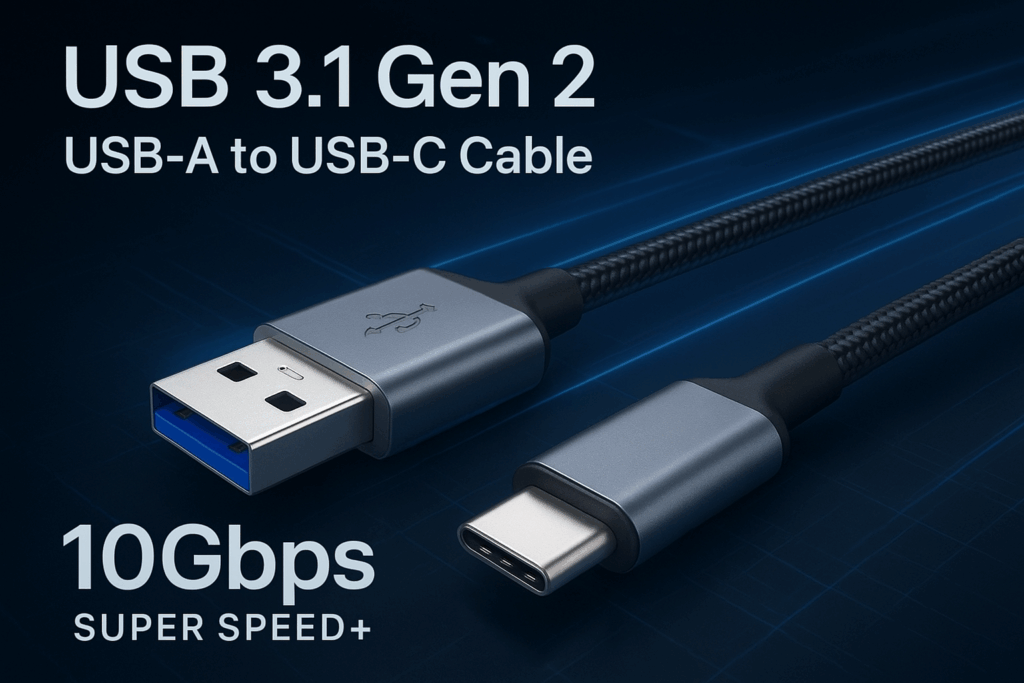
Custom USB Cables for High-Resolution Imaging Applications
High-resolution imaging is a major driver behind the adoption of advanced USB solutions. Applications such as machine vision, medical diagnostics, and scientific research increasingly rely on ultra-high-definition cameras that generate massive amounts of data.
Traditional copper USB cables face clear limitations at higher resolutions:
Signal attenuation over distance
Increased electromagnetic interference
Reduced stability at high data rates
This is where custom USB fiber optic cables demonstrate a clear advantage.
Advantages of Custom USB Fiber Optic Cables
Custom USB fiber optic cables convert electrical signals into optical signals, allowing data to be transmitted via fiber rather than copper. This architecture offers several key benefits:
Long-Distance Transmission
USB fiber optic cables can support distances of tens of meters, and in some cases over 100 meters, without signal degradation—far beyond the limits of passive copper cables.
Support for Higher Resolution and Frame Rates
With stable high-bandwidth transmission, custom USB fiber cables enable smooth delivery of 4K, 8K, and even higher-resolution image data, making them ideal for advanced vision systems.
Immunity to EMI and RFI
Fiber optics are immune to electromagnetic and radio-frequency interference, ensuring reliable performance in electrically noisy environments such as factories, hospitals, and laboratories.
Lightweight and Flexible Design
Compared to thick copper cables, fiber-based custom USB cables are thinner and lighter, simplifying cable routing and system integration.
Key Application Scenarios for USB Cables
Custom USB fiber optic cables are widely used across multiple industries:
Machine Vision: High-speed camera data transmission in automated inspection systems
Medical Imaging: Endoscopy, ultrasound, and diagnostic imaging equipment
Industrial Automation: Reliable USB connections in harsh environments
Professional AV: High-resolution cameras and capture devices
Scientific Research: Precision instruments requiring stable, noise-free data transfer
In all these scenarios, standard USB cables often fail to meet performance expectations, while custom solutions ensure long-term system stability.
How to Choose the Right Custom USB Fiber Optic Cable
Selecting the right custom USB cable requires a clear understanding of your application needs. Customers should consider the following factors:
USB Standard and Bandwidth
Determine whether USB 2.0, USB 3.2, or USB4 is required based on data rate and device compatibility.